[Translate to English:] Palettenreinigung
Hardware

Small details such as the IP protection class often determine whether an RFID solution runs smoothly in everyday use – this is precisely where it pays to take a closer look.


When technology goes down the drain

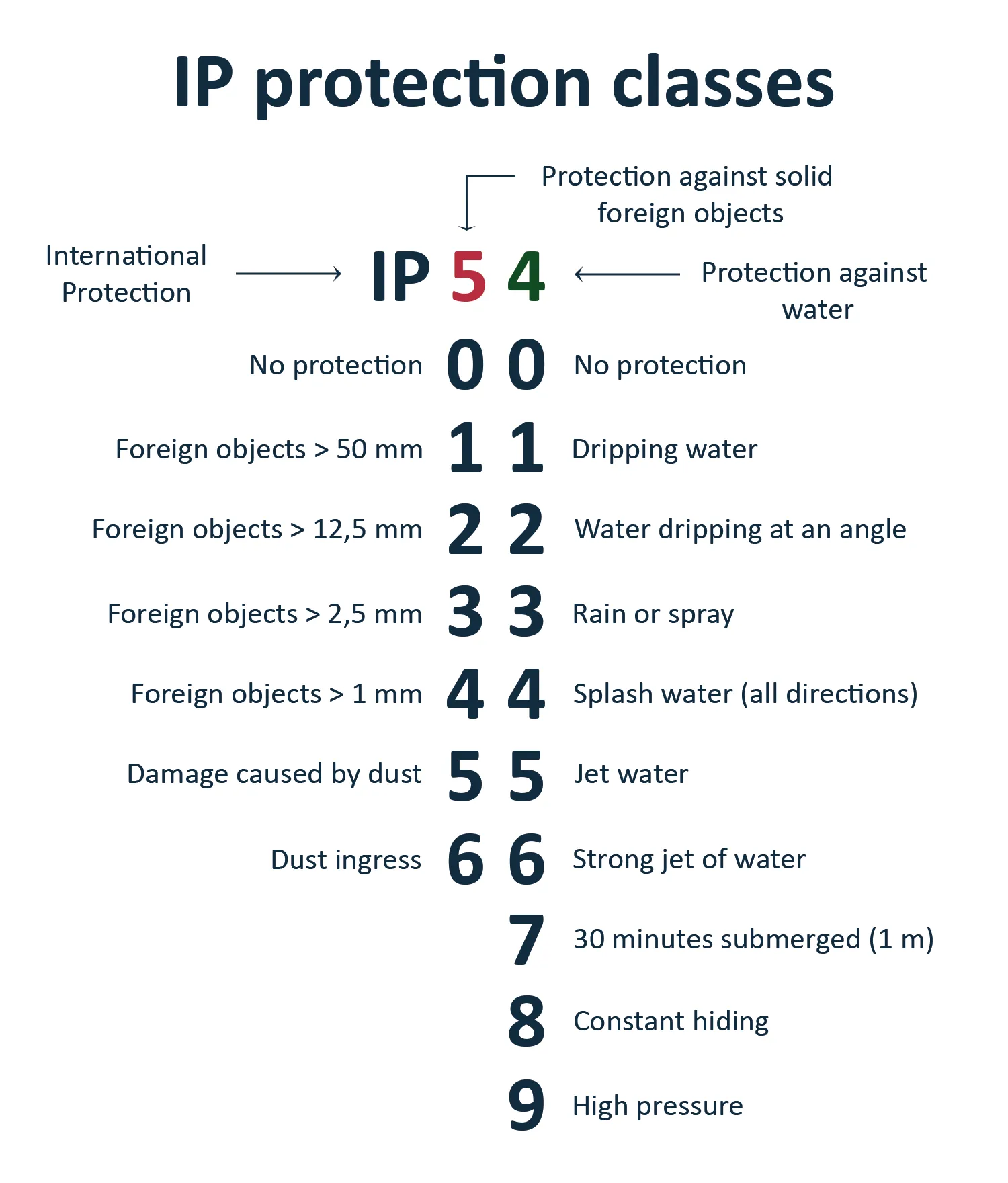
It may sound like a minor detail, but it can make or break the success of an RFID solution: choosing the right IP protection class.

If hardware or transponders are not selected to suit the actual environmental conditions, this can lead to considerable difficulties during operation. These range from interference caused by unfavorable material influences to damaged devices and complete system failures. Such situations jeopardize the desired process stability and increase costs instead of reducing them. To avoid these risks, it makes sense to rely on the experience of an integrator before implementation. They can identify potential stumbling blocks at an early stage, realistically assess the operating conditions, and ensure that the selected components will function reliably in later live operation.

SIGMA has already successfully deployed RFID systems under the most severe conditions (foundries, paint shops, outdoor forklift systems, etc.) and draws on many years of experience to ensure that systems remain rock-solid even after implementation and operate reliably without failures.

The problem with KLTs and car washes

A classic example can be found in the production and intralogistics of small load carriers (SLCs). In many companies, these containers undergo regular cleaning processes, sometimes daily, sometimes every few weeks. RFID labels or transponders that are not designed for these stresses quickly come off or are destroyed by high-pressure cleaners and chemicals.

The result: instead of automated identification, crates have to be relabeled, returns pile up, and the system loses its usefulness.

Identifying such risks before a project is crucial here and requires detailed consultation with an experienced system integrator.

Outdoor challenges: Focus on loading ramps

The IP protection class is also crucial when placing RFID antennas and readers in the truck loading area. Loading ramps are naturally a border area between indoors and outdoors: wind, rain, snow, and frost regularly affect the technology here. Many readers are only certified to IP40 as standard and are therefore intended for protected indoor use.

Installing such systems outdoors may save costs in the short term, but risks failure after a few harsh winter months. For outdoor environments, IP67 should be used to ensure service life and availability.

Industrial loads: Forklift systems for daily use

In production and logistics environments, RFID systems are often exposed to heavy mechanical stress. Terminals, readers, and sensors must be able to withstand vibrations, while cables and antennas must be installed in such a way that they are not damaged by moving containers or forklift masts. At the same time, oil, dust, and dirt affect the devices. These are factors that can severely impair functionality.

Those who rely on unsuitable hardware or untested installations risk failures and higher operating costs. A stable RFID installation therefore requires tested protection classes, robust mounting solutions, and, above all, experience in planning and implementation. This is the only way to ensure that the system remains reliable in daily use.

Longevity pays off

Projects are usually calculated over several years, often with a clearly defined return on investment (ROI). Early hardware failure can throw the entire calculation off balance. That's why it pays to rely on robust systems with a high MTBF (mean time between failures).

An example: Readers from the 4500 series from KATHREIN Solutions offer an MTBF of over 11 years. This means that the average operating time without failure is well above the frequently calculated ROI of 3 years, which many companies use in their project planning. Such systems often run continuously for five years or longer without significant maintenance, apart from occasional firmware updates.

Conclusion: Planning is crucial

Whether container cleaning, outdoor loading, or harsh production environments, choosing the right IP protection class is not a marginal issue, but essential for a stable RFID solution. Not every RFID gate is the same, and often it is the small details, such as cables with the appropriate protection class, that determine reliability in operation.

SIGMA Chemnitz supports companies in hardware planning and the evaluation of such project risks. With our experience in numerous projects, we help you choose the right technology for your environment, ensuring trouble-free processes in the long term.

Viktor Wagner

Viktor Wagner

Managing Director

Viktor Wagner has 12 years of professional experience as a consultant for digitalization at SIGMA Chemnitz. His expertise covers various areas, including RFID applications and the planning of RFID projects, the assessment of the feasibility of RFID projects, the design of solutions and the sale of software solutions.

More about the author

Talk to us!

We will be happy to present solutions for your industry and your processes.
Talk to the specialists for SMEs.

request now