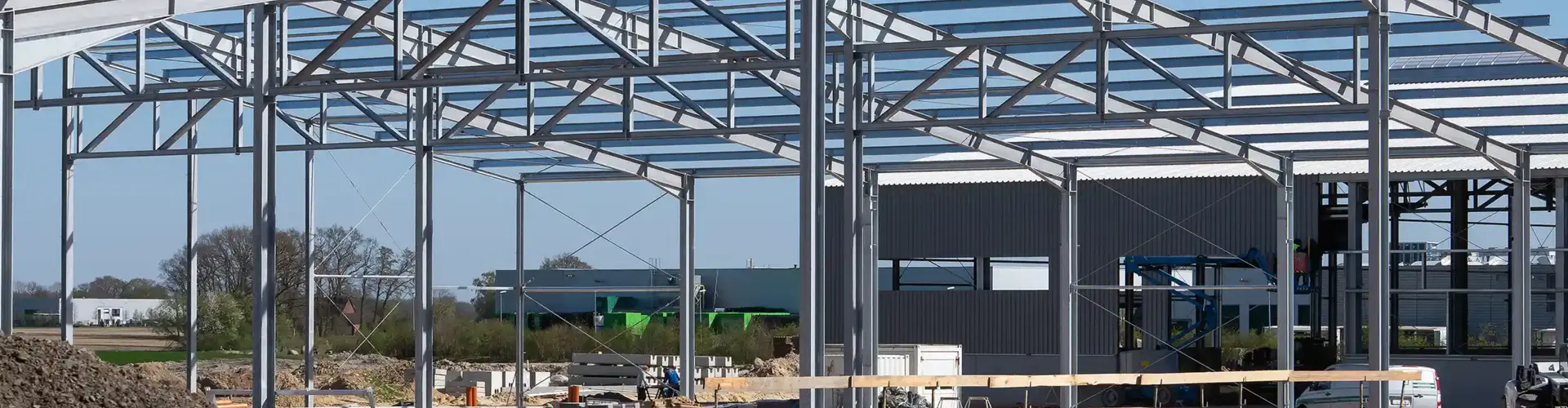
Bau Inudstriehalle
Publication
Update
Advantages

Why RFID projects are usually implemented while operations are ongoing—and why that is precisely what makes them a challenge.

How RFID digitization projects actually come about in practice

Digitalization in manufacturing and logistics rarely starts from scratch. Most projects begin in the midst of ongoing operations in existing facilities, with established processes and IT systems already in place. This is precisely where it becomes clear whether a digitalization project can be successfully implemented in a brownfield environment or whether a greenfield approach opens up new possibilities.

Greenfield or brownfield?

In practice, automation projects arise in two very different starting situations:

  • Brownfield projects: Digitization of existing processes and systems
  • Greenfield projects: Development of new structures without regard to existing systems

While greenfield projects often offer more flexibility in planning, the reality in most companies is quite different: the vast majority of digitalization projects take place in a brownfield environment.


Brownfield Projects: Digitalization of Existing Buildings

In brownfield projects, existing manual or semi-automated processes are supplemented or replaced by digital technologies. Many production and logistics environments have long-established structures, such as paper-based processes, Excel solutions, or legacy IT systems.

AutoID technologies such as RFID are frequently used here to:

  • Automate manual data entry
  • Provide transparency regarding material and asset movements
  • Avoid data silos between different systems
  • Supply existing systems such as ERP, WMS, or MES with real-time data

These technologies often replace older solutions or enhance existing systems with automated identification and tracking capabilities.


Greenfield Projects: Digitalization from the Start

Greenfield projects typically arise when establishing new production sites or logistics centers. In these cases, processes and technologies can be completely reimagined right from the planning phase.

This offers the opportunity to integrate digital technologies such as RFID, automatic identification systems, or IoT infrastructures into the process design from the very beginning. As a result, end-to-end digital processes can be implemented without encountering integration barriers later on.

In practice, however, such projects are significantly less common than brownfield scenarios.

Project type

Advantages

Challenges

Brownfield

  • Use of existing infrastructure and systems
  • Investments can be targeted specifically at individual processes
  • Improvements can be implemented gradually
  • Integration into existing IT environments
  • Established process structures and media discontinuities
  • <l>Changes must be made during normal operations

Greenfield

  • Processes can be completely reimagined in a digital context
  • Technologies can be optimally coordinated
  • No limitations imposed by existing systems
  • Higher initial investment
  • Technology decisions must be made early on
  • less experience gained from existing processes

Success Factors for Brownfield Digitalization Projects

Especially in brownfield environments, the key to success lies in a structured analysis of existing processes and systems. Rather than completely replacing existing structures, the goal is often to expand existing solutions in a meaningful way.

Key considerations include:

  • Analysis of existing processes: Where do data silos or manual tasks occur?
  • Integration of existing IT systems: ERP, WMS, or MES systems should continue to be used.
  • Gradual digitization: Pilot projects and modular expansions reduce risks.
  • Targeted use of AutoID technologies: RFID or barcodes should be used where automated data capture creates real added value.

This approach allows existing processes to be made more efficient without completely changing functioning structures.

The Human Factor in Brownfield Projects

One aspect of digitalization projects that is often underestimated is the human factor.

In a brownfield scenario, new solutions come up against established, well-oiled processes. Employees have internalized these processes over the years and, when in doubt, fall back on familiar alternatives—especially when they don’t see the benefits in their own workflows.

In greenfield projects, the situation is different: New digital processes are accepted from the start and applied easily, as there are no points of comparison.

This makes it clear:
The biggest challenge in brownfield projects is not just the integration of systems, but the change in existing work practices. Clear guidelines and system training are key to success in this regard.

Opportunities of the Greenfield Approach

Greenfield projects, on the other hand, offer the opportunity to design processes and technologies from the ground up. Companies can integrate digital technologies into their infrastructure at an early stage, thereby building highly efficient and transparent systems.

Typical opportunities include:

  • end-to-end traceability of materials and products
  • automated identification throughout the entire process chain
  • optimal integration of AutoID, sensor technology, and IT systems

When processes and technologies are considered together as early as the planning phase, this often results in highly efficient and scalable solutions.

Conclusion

Whether brownfield or greenfield, both approaches present different opportunities and challenges for RFID-based digitalization projects. While greenfield projects allow for maximum design freedom, in practice the greatest potential for digitalization often lies in the intelligent expansion of existing structures.

The success of such projects therefore depends less on the technology alone and more on a deep understanding of existing processes, well-thought-out system integration, and a clear digitalization strategy.

This is precisely why experienced and technology-neutral consulting is a decisive factor in developing sustainable and cost-effective solutions from the possibilities offered by modern AutoID technologies. Our consulting services can therefore be of great benefit to you before you commit to specific products and solutions.

Viktor Wagner

Viktor Wagner

Managing Director

Viktor Wagner has 12 years of professional experience as a consultant for digitalization at SIGMA Chemnitz. His expertise covers various areas, including RFID applications and the planning of RFID projects, the assessment of the feasibility of RFID projects, the design of solutions and the sale of software solutions.

More about the author

Talk to us!

We will be happy to present solutions for your industry and your processes.
Talk to the specialists for SMEs.

request now