Forklift
Publication
Update
Traceability

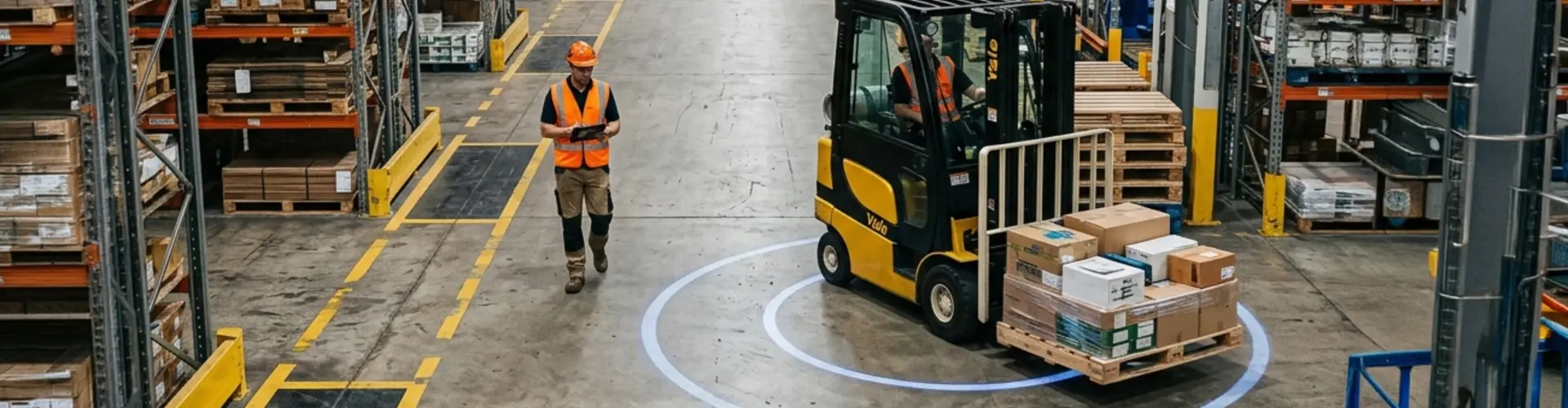
What if your warehouse system didn’t just know where a pallet should be, but also tracked in real time what your forklift is actually moving at any given moment?

In modern logistics warehouses, the demand for real-time transparency, process reliability, and error-free transactions is constantly increasing. Forklift traffic, in particular, creates critical interfaces between physical movement and digital recording.

A hybrid approach combining UHF RFID (object identification) and UWB-based RTLS (position tracking) enables a new level of quality in intralogistics.


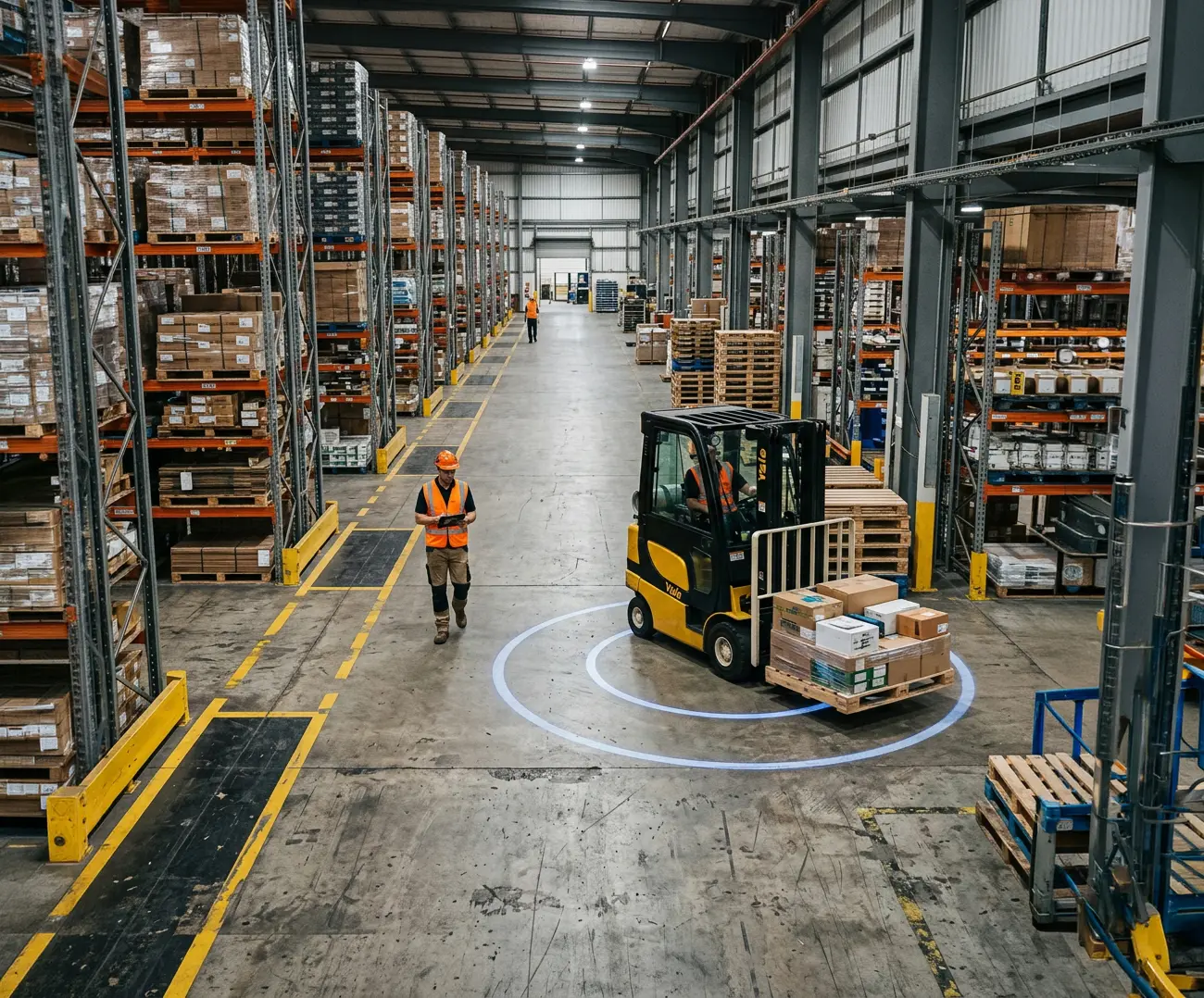
Forklift Tracking in a Complex Warehouse Environment

In a production and logistics facility, load carriers such as pallets, racks, and containers are tagged with UHF RFID tags. At the same time, forklifts are equipped with RFID antennas.

The goal is to ensure that only those load carriers that have actually been physically picked up by the forklift are recorded in the system.

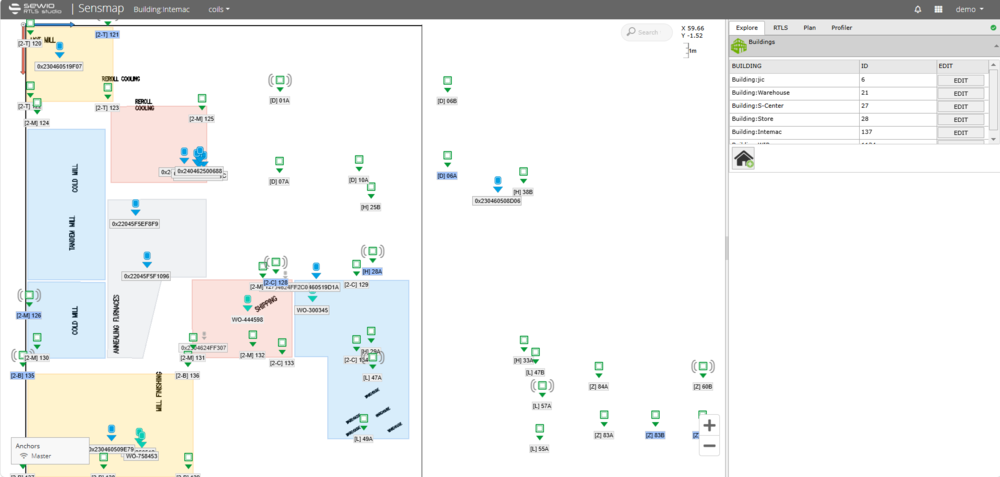
In parallel, a UWB-based RTLS system from HID is used to track the forklifts’ positions in real time and transmit this data to the system infrastructure.

The central GRAIDWARE® middleware from SIGMA Enterprise Solutions GmbH processes the RFID and RTLS data into operational entries.
 

What was the main challenge in this project?

Viktor Wagner (SIGMA):
“We see the same problem in many warehouse processes: Systems know where something should be, but not what has actually been moved. Especially with the fast-paced movement of forklifts, transfer entries are often missing. Our goal was to introduce a clear physical confirmation into the process and relieve employees of the burden of constantly having to make transfer entries.”


Why wasn't RFID used on its own?

Viktor Wagner (SIGMA):
“RFID is ideally suited for identifying load carriers. However, relying solely on antennas throughout the warehouse for tracking would not have made sense from an economic or infrastructure standpoint. Full RFID coverage of every warehouse location is simply too expensive and too complex.

With HID, we have a strong partner that provides us with powerful planning tools for optimal system design and thorough project preparation.”


What role does RTLS play in this setup?

Lubomír Mráz (HID):
“With UWB-based real-time localization, we provide the crucial spatial component. In a project like this, it’s enough to equip only the forklifts themselves with UWB tags. This creates a complete, real-time picture of the movements in the warehouse.”

“Our strength lies in providing motion data in real time. GRAIDWARE can then use our system to map the movements to the forklift’s RFID signals.”

It’s enough to equip only the forklifts themselves with UWB tags. This creates a complete, real-time picture of the movements in the warehouse.

Lubomír Mráz
Co-Founder of HID Sewio and UWB Evangelist

How exactly are RFID and RTLS combined?

Viktor Wagner (SIGMA):
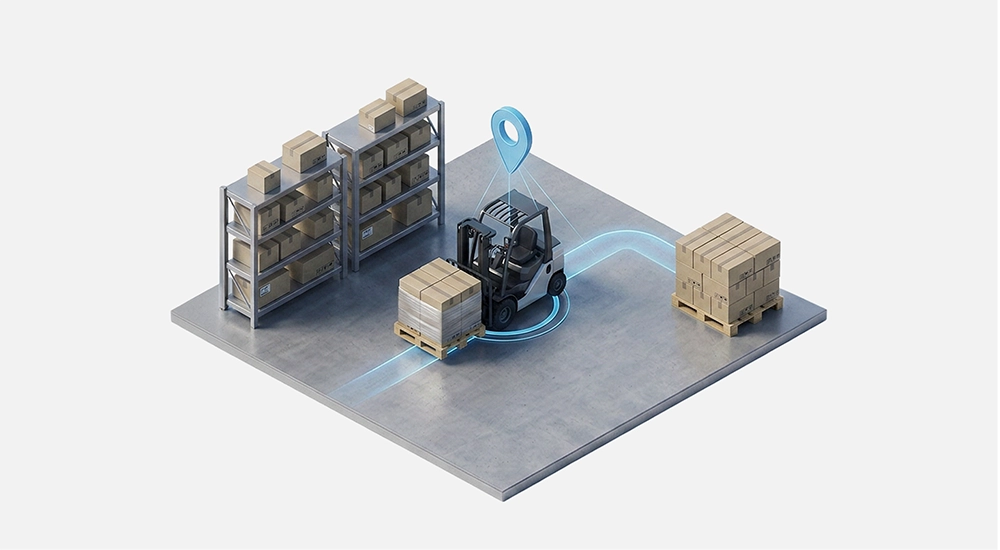
“The key point is data integration. RFID identifies what is on the fork, and RTLS identifies the forklift’s location. GRAIDWARE® recognizes both pieces of information and uses them to generate a valid warehouse transfer. A storage location change is only processed in the system if both signals are consistent.”

Viktor Wagner - Consultant Digitalisierung

RFID detects what's on the fork, and RTLS detects where the forklift is located.

Viktor Wagner
Managing Director SIGMA Enterprise Solutions

Why is this mix better than traditional alternatives like barcodes?

Lubomír Mráz    (HID):
“Barcode systems require visual contact and are more prone to errors in forklift operations. Readability can be compromised by dirt, misalignment, or process speed. In addition, a manual step is often still required.”

Viktor Wagner (SIGMA):
“For the forklift operator, visual contact also means having to actively participate in the identification process. And this manual effort is the biggest source of error in highly dynamic warehouse processes. Our approach aims to relieve forklift operators of the burden of documenting warehouse processes.”

Architecture at a Glance

  • Load carriers: UHF RFID tagging (cost-effective, passive)
  • Forklifts: RFID antennas for load identification
  • Forklifts: UWB RTLS tags for indoor positioning
  • System integration: GRAIDWARE® as middleware
  • RTLS platform: HID (Sewio Networks)


Conclusion: The solution is the best of both worlds

The combination of UHF RFID and UWB RTLS demonstrates that the future of intralogistics lies not in a single technology, but in their intelligent integration.

While RFID handles the object logic, RTLS provides the spatial data. It is only through this integration that a robust, automated, and scalable track-and-trace system is created.

Lubomír Mráz

Lubomír Mráz

Co-Founder of HID Sewio and UWB Evangelist

Lubomír Mráz is the co-founder of Sewio, part of HID. With more than a decade of hands-on experience in IoT and industrial geolocation technologies, he has shaped several of the innovations that power today’s real-time location systems. He holds multiple utility models in this field.

He also plays an active role in the omlox community, helping to develop interoperability standards that make location services more reliable and accessible for industrial environments.  

Talk to us!

We will be happy to present solutions for your industry and your processes.
Talk to the specialists for SMEs.

request now