RFID gate
 Traceability
 Paperless production
 About us
 Partner
 Contact
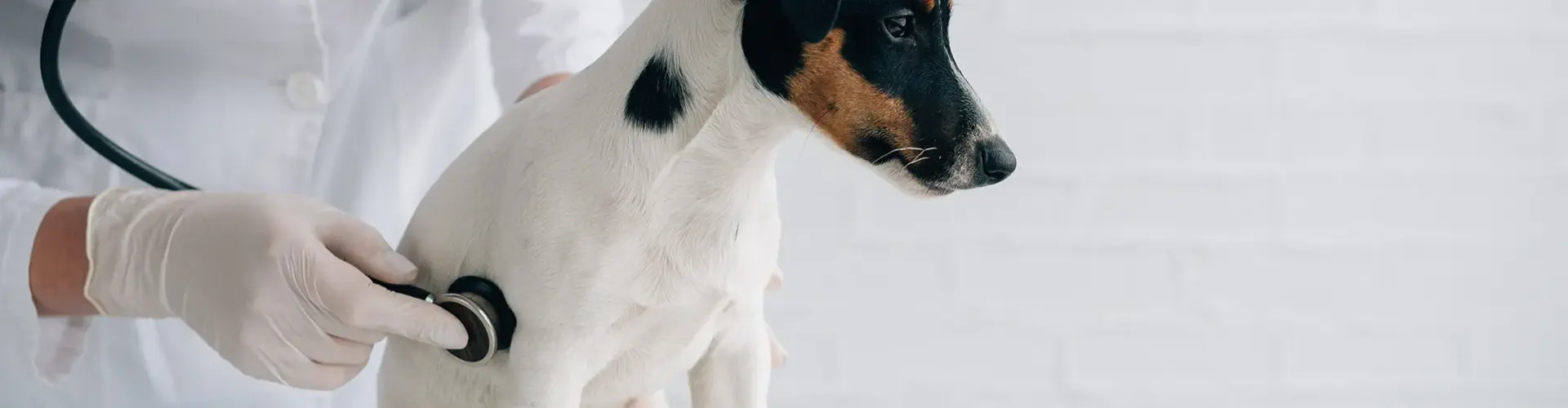

Transparent pathways for patients
Anyone who has had to take their beloved four-legged friend to a veterinary clinic knows the feeling: waiting, hoping, worrying—and above all, not knowing what is happening. Many pet owners experience significant emotional stress, particularly in the case of surgery or more intensive treatments. At the same time, many practices and clinics are facing another challenge: staff shortages. Medical assistants in particular are lacking in all areas. The result? Long waiting times, inefficient processes, and a stressed reception area.
From room to room – but with a system, please
Many veterinary clinics still operate largely on paper today. This not only results in overflowing files and information that is difficult to find, but also makes one thing particularly difficult: maintaining an overview. Who was where and when? How long was which room used? Which wards are overloaded, where are processes stalling?
RFID-based patient tracking provides the right answers to these questions – without adding stress for employees. With UHF transponders linked to patient records, a patient's entire journey through the clinic can be tracked automatically. Completely contactless, hygienic, and in real time. Under clean room conditions, RFID gates can be used for contactless recording.
When the recovery room becomes a dead end
It sounds trivial, but it is often the biggest bottleneck: an animal undergoes surgery, wakes up, and then occupies the recovery room for far too long. Why? Because no one sees that the next patient is already waiting or that the room should have been vacated long ago. The same applies to examination rooms or imaging procedures such as MRI. Often, it is not recognized that a single bottleneck slows down the entire chain.
RFID can be used to analyze room usage, evaluate throughput times, and identify bottlenecks before they become a permanent problem. This gives the clinic a precise picture of its internal processes – in black and white.
Pet owners want more than just “It'll be ready soon.”
For many pet owners, their dogs and cats are true members of the family. This makes the uncertainty during treatment all the more difficult. How long will the surgery take? Where is my pet right now? Has everything gone well?
Instead of overwhelming the reception desk with constant inquiries, RFID tracking can be used to provide live information on the location and status of the treatment. Of course, this is done without violating medical confidentiality, using anonymous tracking IDs, but with the aim of reducing the emotional stress on pet owners. The practice can automate specific feedback, for example, when the surgery is complete or when the pet is transferred to the recovery room.
How digitalization reduces stress—for humans and animals alike
RFID not only improves capacity utilization, but also creates a more pleasant atmosphere in the clinic. Reception, the medical team, and animal caretakers maintain an overview—and pet owners gain confidence in a professional and transparent process.
A look behind the scenes: Where it's already working
SIGMA Chemnitz has already supported clinics in several projects to implement RFID-based solutions for tracking and evaluating process data—for example, for digitally linking patient data with transponders, recording lengths of stay in treatment rooms, or visualizing movement sequences in complex facilities.
The goal is always to reduce the workload in everyday life and make the clinic fit for the future – in a completely individualized way.
Conclusion: Smart processes for smart practices
Today, veterinary clinics face a double challenge: rising case numbers and declining human resources. Digital process support through RFID-based patient tracking can provide targeted relief here—without major changes, but with a big impact.
Whether as a first step toward digitalization or to optimize existing processes, a clear view of the actual processes often achieves more than any new machine. And ultimately ensures that everyone involved—the animal, the owner, and the practice—can enjoy a more relaxed day.